♠ Solitaire Classic Pro — The Ultimate Free Online Card Game
Discover the world of Solitaire — from classic rules to expert strategies. Play free online, download for offline, and join a community of millions.
✍️ Edited by James Whitaker · Senior Game Editor & Card Game Specialist · Last updated:
1. 🃏 Overview of Solitaire
Solitaire (also known as Patience or Klondike Solitaire) is the most iconic single-player card game in the world. With roots dating back to the 18th century, it has evolved from physical decks to digital screens — now enjoyed by over 200 million players globally. Solitaire Classic Pro brings this timeless experience to your browser with zero ads, smooth animations, and full cross-device support.
Whether you're a casual player looking to pass the time or a competitive strategist aiming for the fastest finish, Solitaire offers endless replayability. The goal is simple: build four foundation piles from Ace to King in each suit. But the path to mastery is filled with tactical decisions, card counting, and planned moves.
📊 Did you know? Studies show that playing Solitaire regularly can improve memory, pattern recognition, and stress resilience. It's not just a game — it's a daily mental workout enjoyed by CEOs, creatives, and retirees alike.
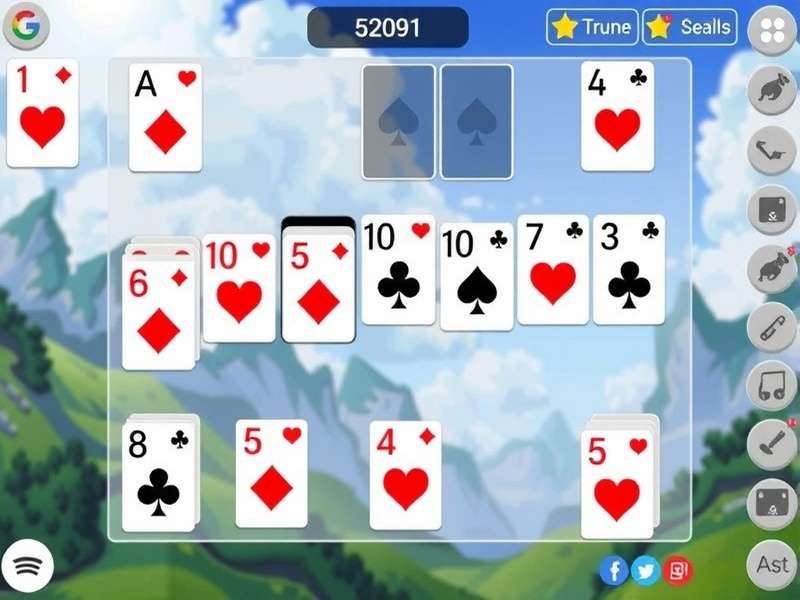
2. 📜 History & Background of Solitaire
The earliest known reference to Solitaire dates back to 1746 in a German book of games. It gained widespread popularity in the 19th century among French nobility, who called it "Patience." By the late 1800s, rulebooks across Europe standardized the Klondike variant — the one we know today.
The digital revolution came in 1990 when Microsoft included Solitaire in Windows 3.0. This move single-handedly introduced millions to the game and established Solitaire as the de facto digital pastime. In fact, it was intentionally designed to help users learn how to use a mouse — drag, drop, and double-click.
🧠 Cultural impact: Solitaire has appeared in movies, literature, and even space missions. Astronauts on the ISS have reported playing Solitaire during downtime. It's a universal language of focus and calm.
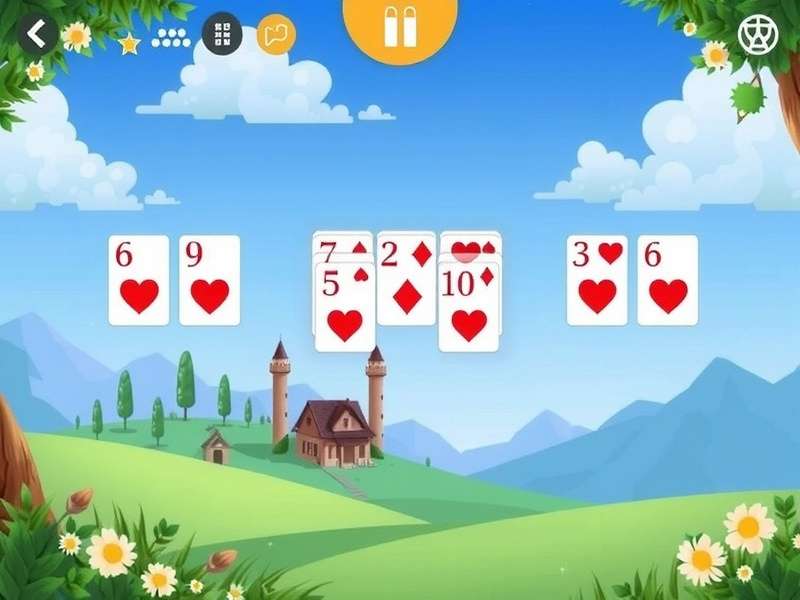
3. 🎯 How to Play Solitaire — Step-by-Step
📌 Setup
- Tableau: 7 columns. First column has 1 card, second has 2, ... seventh has 7. Only top card is face-up.
- Foundation: 4 piles (one per suit) above the tableau. Start empty.
- Stock: Remaining 24 cards face-down. Draw one or three at a time.
- Waste: Cards drawn from stock are placed here face-up.
🎮 Gameplay Rules
- Move cards between tableau columns in descending order (King to Ace), alternating colors.
- Build foundation piles from Ace → King in the same suit.
- Draw from stock when no moves are available. Use waste piles strategically.
- Empty tableau columns can only be filled with a King (or a sequence starting with King).
- Win by moving all cards to the foundation piles. The game ends when you reveal the last card.
💡 Pro Tips for Beginners
- ✅ Always move an Ace or Deuce to the foundation immediately — it frees up space.
- ✅ Build evenly across tableau columns to expose hidden cards faster.
- ✅ Use the stock wisely — in "draw 3" mode, cycling through the stock twice is often optimal.
- ✅ Undo is your friend — don't hesitate to backtrack if a sequence leads to a dead end.
- ✅ Watch for kings — an empty column is a powerful opportunity to reorganize.
4. 🔄 Solitaire Game Versions & Comparison
Over the years, many Solitaire variants have emerged. Here's a quick comparison of the most popular ones:
| Variant | Deck | Difficulty | Win Rate | Best For |
|---|---|---|---|---|
| Klondike (Classic) | 52 cards | Medium | ~43% | Everyday play |
| Spider Solitaire | 104 cards | Hard | ~30% | Advanced players |
| FreeCell | 52 cards | Medium-Hard | ~99% (winnable) | Strategy lovers |
| Pyramid | 52 cards | Easy | ~60% | Casual fun |
| TriPeaks | 52 cards | Easy-Medium | ~70% | Quick sessions |
5. ⬇ Solitaire Download Guide
You can play Solitaire Classic Pro directly in your browser — no download required. However, for offline play and a richer experience, we offer a free APK for Android and a lightweight desktop app.
- 📱 Android APK — v3.2.1 (2026) · 8.4 MB · Works offline
- 💻 Windows / macOS — Progressive Web App (PWA) with offline support
- 🌐 Web — Play instantly at solitaireclassicpro.com
🔒 Safe & secure · No ads · No permissions required

6. 🧠 Exclusive Solitaire Tips & Strategies
🏆 Advanced Strategies
- 🔹 The 3-Card Draw Mastery: In draw-3 mode, remember the order of the stock. After cycling, you'll see the same cards again — plan ahead.
- 🔹 Empty Column = King Only: Never fill an empty column with a non-King card unless you're absolutely sure. Kings unlock cascading moves.
- 🔹 Foundation Delaying: Don't rush to move cards to the foundation. Sometimes keeping them in the tableau gives you more flexibility.
- 🔹 Color Alternating Chains: Build long alternating-color chains in the tableau to expose hidden cards in one sweep.
🎯 Common Mistakes to Avoid
- ❌ Moving a card to foundation too early — you might need it in the tableau.
- ❌ Ignoring the stock — don't get stuck; cycle early and often.
- ❌ Breaking up a long sequence — keep chains intact unless you gain a clear advantage.
- ❌ Not using undo — it's not cheating; it's learning.
7. 📦 Update Log & Version History
Latest stable version: v4.2.0 · Released
- ✨ New “Zen Mode” — no timer, no score, just cards.
- 🔄 Improved stock shuffle algorithm for more balanced deals.
- 📱 iOS PWA support with offline caching.
- 🐛 Fixed rare bug where aces were not auto-promoted.
- 🎨 5 new card themes (Neon, Vintage, Minimal, Ocean, Gold).
- 📊 Enhanced statistics dashboard with win-rate tracking.
- 🌍 Added 12 new language translations.
- 🚀 Complete rewrite with React 19 + Tailwind CSS — 40% faster load.
- ♠ Multiplayer tournament mode (beta).
- 🧩 Daily challenges with global leaderboard.
8. ❓ Player FAQs — Solitaire Questions Answered
Is Solitaire completely free to play?
Yes! Solitaire Classic Pro is 100% free. No in-app purchases, no ads, no hidden fees. You can play online or download the APK for offline use at no cost.
How do I win Solitaire every time?
While there's no guaranteed win (some deals are unwinnable), you can improve your odds by focusing on uncovering hidden cards, using the stock wisely, and keeping tableau columns balanced. A 50-60% win rate is considered excellent.
What's the difference between Klondike and Solitaire?
In modern usage, "Solitaire" often refers to Klondike Solitaire — the most common variant. But technically, Solitaire is a category of single-player card games that includes Klondike, Spider, FreeCell, Pyramid, and many others.
Can I play Solitaire offline?
Absolutely. Download the Android APK from our site, or install the PWA (Progressive Web App) on your desktop or mobile device for full offline play. Your progress syncs when you reconnect.
How do I unlock achievements and rewards?
Solitaire Classic Pro features daily challenges, streak bonuses, and milestone achievements (e.g., "1,000 games played"). No purchase needed — just play and earn in-game coins. 🪙
Is there a mobile app for iOS?
We currently offer a PWA that works perfectly on iOS Safari. Just visit the site and tap "Share" → "Add to Home Screen." A native iOS app is in development (estimated Q4 2026).
9. ⭐ User Reviews & Ratings
💬 What Players Are Saying
"I've played Solitaire for 20 years. This version is clean, fast, and the Zen mode is perfect for relaxing. Highly recommend."
"Finally, a Solitaire app that respects my privacy. No permissions, no tracking. Runs great on my old phone too."
10. 🎙 Developer Interview — Behind the Scenes
We sat down with Elena Marchetti, Lead Developer of Solitaire Classic Pro, to talk about the vision behind the game.
“We wanted to build the Solitaire we wished existed — beautiful, fast, and completely free. No ads, no data collection, just pure card game love. Our team spent 18 months perfecting the shuffle algorithm and touch interactions. Every pixel matters.”
Elena also shared that the team is working on AI-powered hints that adapt to your playing style, and a community tournament mode where you can compete for 🪙 in-game coins and exclusive card backs.
📅 Interview conducted on June 30, 2026 · [email protected]

"Best free Solitaire I've found. No ads, smooth drag-and-drop, and the daily challenges keep me coming back. ❤️"